
5 hr
Nairobi National Park Half-Day Safari
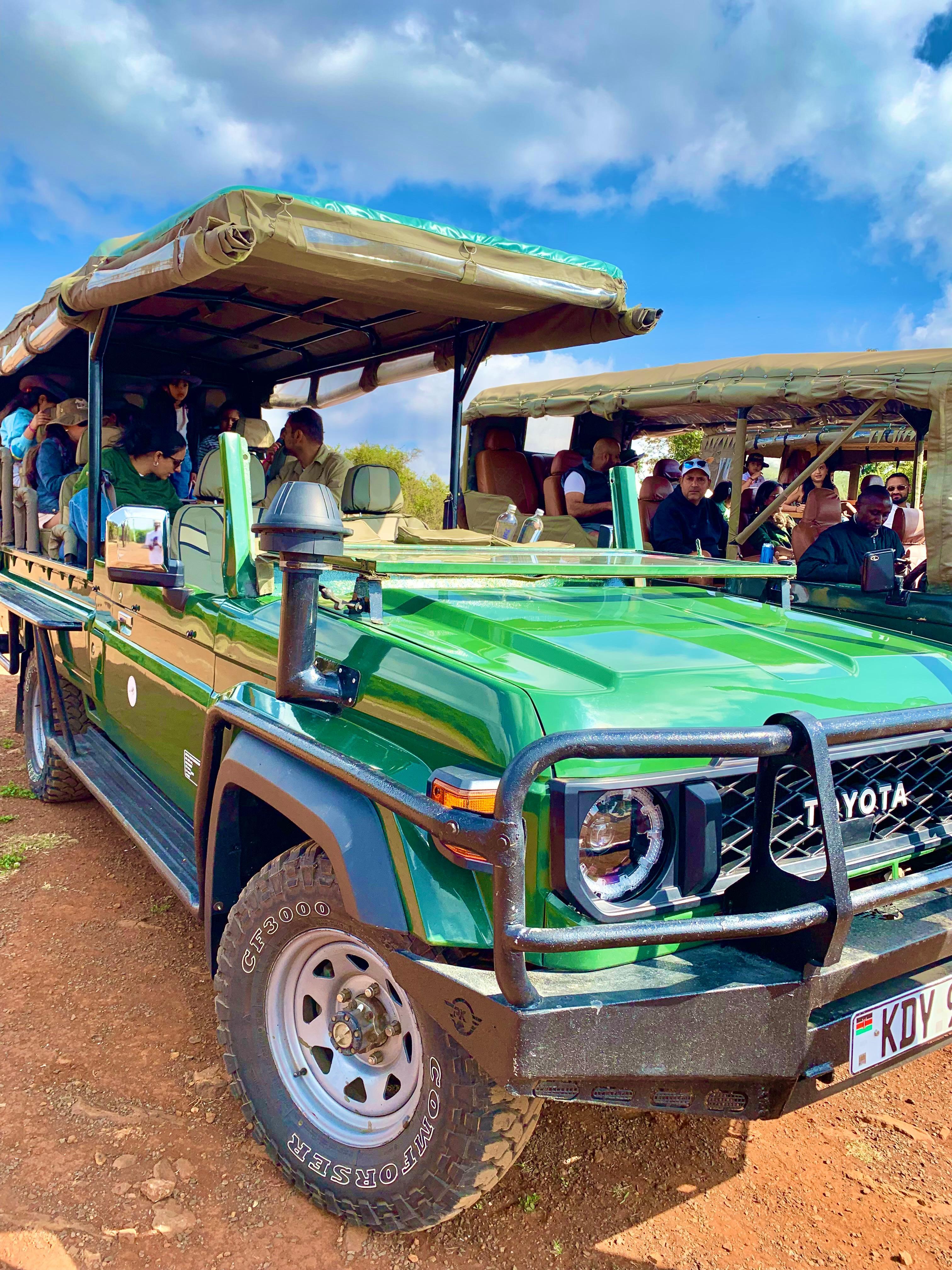
Spot Africa's iconic wildlife against a stunning city skyline backdrop on this 5-hour game drive adventure
Reserve
Hand-picked by our editors — only the best 5 safari packages from 42 reviewed.
Verified partners for every tour, free cancellation where available, and instant confirmation on every booking.
5 hr
Spot Africa's iconic wildlife against a stunning city skyline backdrop on this 5-hour game drive adventure
Reserve
5 hr
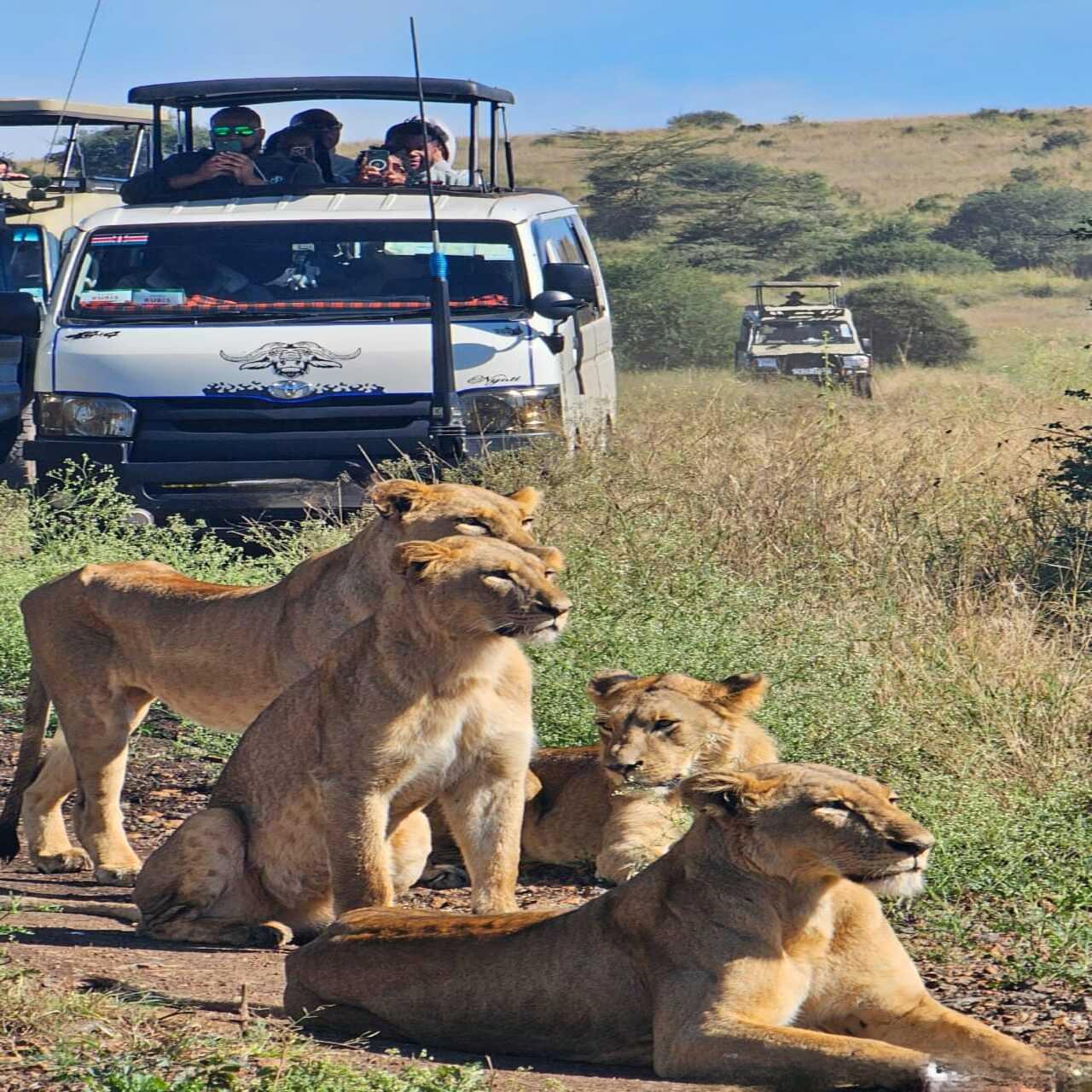
Spot lions, giraffes, and zebras against the city skyline on this immersive 5-hour wildlife drive
Reserve
5 hr
Track endangered rhinos and big cats with a skyline backdrop on this extended morning game drive
ReservePrices from verified partners. Availability updates in real time at checkout. Free cancellation policies apply where shown.
The landmarks, rooms, and views travelers on this tour remember — all visible on a single visit.
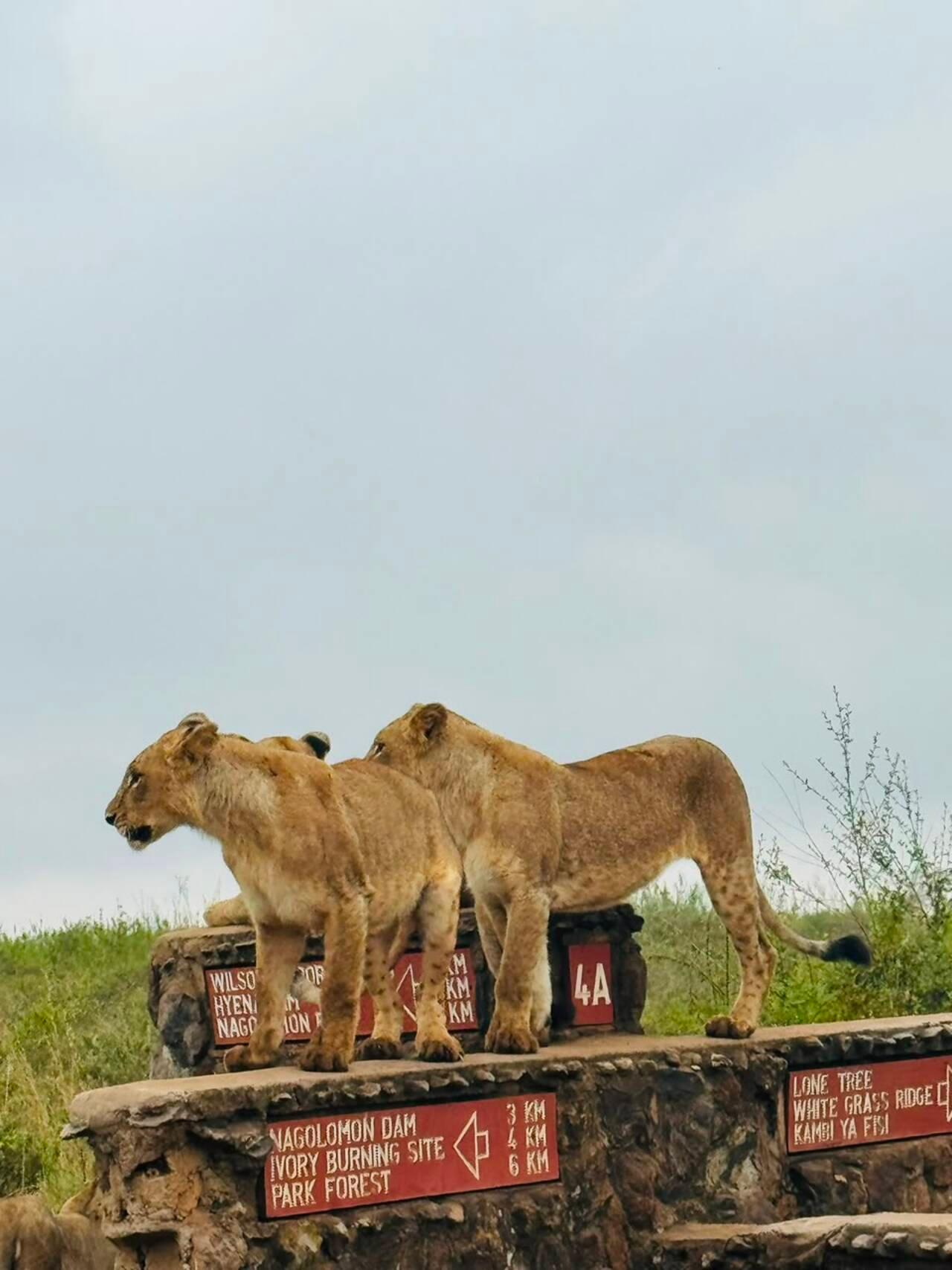
A historic location where confiscated ivory was burned to protest poaching activities in Kenya.
Nairobi National Park provides unmatched urban proximity, while Ol Pejeta offers a specialized, high-density wildlife experience; travelers seeking convenience should choose the former, while those prioritizing rhino conservation and remote landscapes favor the latter. Understanding nairobi national park game drive prices tours requires comparing these logistical trade-offs.
| Feature | Top pick Nairobi National Park | Ol Pejeta Conservancy |
|---|---|---|
Travel distance from Nairobi |
0 km (Within city) | 200-220 km (4-5 hours) |
Primary wildlife focus |
Black rhinos and lions | Chimpanzees and black rhinos |
Landscape type |
Open plains and acacia | Savannah and riverine forest |
Accessibility |
High (Public roads) | Moderate (Private vehicle or flight) |
Game drive terrain difficulty |
Easy (Well-maintained roads) | Moderate (Can be rugged) |
Daily conservation fee |
80 USD (per foreign adult) | 120 USD (per foreign adult) |
| See tickets → |
Verdict: When evaluating nairobi national park game drive prices tickets alongside remote alternatives, visitors find that while Nairobi offers immediate access to iconic Kenyan fauna, Ol Pejeta provides a more intensive bush experience that justifies the nairobi national park game drive prices tour premium through its unique sanctuary status.
Choose your ticket, select your date, and reserve in under two minutes. Secure checkout handled by our verified partner.
Instant confirmation by email, with a mobile voucher you can save offline. No printing, no queuing at a collection desk.
Arrive at the entrance, show your voucher on your phone, and walk in. Most tickets include priority or skip-the-line access.
Practical details for your visit straight from our verified partners — hours, access, rules, and how to get there.
Wear neutral-colored clothing suitable for a safari environment. Comfortable walking shoes and a light jacket are recommended for early morning game drives.
All bags are subject to inspection at the gate. Avoid bringing large, bulky luggage as space in safari vehicles is often limited.
Photography is permitted; however, drones are strictly prohibited without a special permit. Use a telephoto lens to capture wildlife from a safe distance.
The park is best experienced via vehicle tours. Mobility assistance should be arranged through private tour providers offering specialized vehicles.
Children are welcome in Nairobi National Park. Note that young children must remain inside the vehicle at all times for safety reasons.
Picnic sites are available inside, but no commercial food outlets are located within the park. Bringing your own packed lunch and water is necessary.
Best time to go, insider tips, nearby landmarks, and the cancellation fine print — flip through to skim what matters to you.
Flexible, no hidden fees.
Entry fees are non-refundable once paid through the KWS system. Conservation fees of 80 USD per foreign adult are strictly enforced.
Established in 1946, Nairobi National Park is the world's only protected wildlife reserve bordering a capital city. Its 117 square kilometers stretch from the Ngong Hills in the west to the Athi River plains in the east, creating a corridor where black rhinos, lions, leopards, cheetahs, and over 400 bird species move within sight of Nairobi's central business district. The park was carved from former Maasai grazing lands after a 1930s conservation campaign led by Mervyn Cowie, who convinced colonial authorities that rapid urbanization threatened to erase Kenya's last accessible wilderness. Today, the park's southern boundary remains unfenced, allowing migrating herbivores to travel between the park and the Kitengela dispersal area during wet-season migrations. The juxtaposition defines the experience. Visitors on Nairobi National Park game drive prices tours photograph giraffes framed by office towers, and watch buffalo herds graze below the descent path of aircraft landing at Jomo Kenyatta International Airport. The park's ecological significance extends beyond its resident populations: it serves as a sanctuary for orphaned elephants at the David Sheldrick Wildlife Trust and rehabilitated rhinos at the Kenya Wildlife Service headquarters. The Ivory Burning Site Monument, where President Daniel arap Moi set fire to 12 tons of ivory in 1989, anchors the park's role in anti-poaching history. Game drive routes follow established tracks through open grass plains, scattered acacia woodland, and riverine forest along the Mbagathi River. The park's compact size concentrates wildlife density, particularly during the dry season from July to October when animals congregate near permanent water sources. Early morning drives between 06:00 and 08:00 yield the highest predator activity, as lions and cheetahs hunt in cooler temperatures. The Nairobi Safari Walk, an elevated boardwalk near the main gate, offers walking access to habitats representing Kenya's diverse ecosystems. Conservation fees collected at entry fund Kenya Wildlife Service operations across the country's 22 terrestrial parks and 28 marine reserves.
"The world's only protected wildlife reserve bordering a capital city, where black rhinos move within sight of Nairobi's skyline."
A step-by-step walkthrough of the visit — what you'll see, how long each stage takes, and the details that matter.
You enter through the main gate on Lang'ata Road at dawn, when mist still clings to the Athi Basin. Your driver turns onto the Impala Circuit, a loop that skirts the open plains where zebra herds cluster near acacia thickets. Within twenty minutes, you spot a pride of lions resting in tall grass, the city's glass towers visible on the northern horizon. The vehicle slows at a waterhole where buffalo wallow in red mud, egrets perched on their backs. The route climbs toward the southern ridgeline, passing through whistling-thorn woodland where giraffes browse at eye level. Your guide stops at a rocky outcrop overlooking the Mbagathi River gorge, explaining how the seasonal flow dictates herbivore migration patterns. A black rhino emerges from dense bush 50 meters ahead, its horn backlit by early sun. You photograph the animal against the escarpment, aware that fewer than 50 individuals remain in the park. The drive concludes at the Ivory Burning Site, where interpretive plaques recount the 1989 bonfire that shifted global conservation policy. Secretary birds stalk through short grass nearby. You exit before midday heat peaks, having circled 40 kilometers of track in four hours.
The conservation fee for a foreign adult is 80 USD per day.
Yes, citizens and residents have separate rate structures through the Kenya Wildlife Service compared to the 80 USD standard for non-residents.
Arriving between 06:00–08:00 offers the best wildlife activity in Nairobi National Park, ensuring your time is well-spent.
No, the 80 USD fee covers conservation entry only; vehicle hire and tour operator fees are separate.
Fees are standardized by the Kenya Wildlife Service, though private operator tour costs for Nairobi National Park may vary by demand.
Tickets are managed via the official KWS system, and you should book your entry to Nairobi National Park prior to your visit.
Yes, children and students receive discounted rates at Nairobi National Park.
The 80 USD fee is a mandatory conservation levy required for entry into Nairobi National Park.
Prices for Nairobi National Park game drive packages typically bundle the entry fee with a driver-guide and vehicle, unlike base tickets.